
Yoga for Your Back: A Path to Relief and Strength


Back pain is a common issue that affects millions of people worldwide, often leading to discomfort, decreased mobility, and a lower quality of life. Fortunately, yoga offers a holistic approach to alleviating back pain by combining physical postures, breathing techniques, and mindfulness. This blog explores the benefits of yoga for back health, recommended poses, and essential tips for safe practice.
Benefits of Yoga for Back Pain
1. Muscle Relaxation and Stretching: Yoga poses promote relaxation and stretching of the back muscles, helping to relieve tension and improve flexibility. Holding each pose allows muscles to lengthen, which can alleviate tightness and discomfort.
2. Strengthening Core Muscles: Many yoga poses target the core and back muscles, enhancing strength and stability. A strong core supports the spine and can significantly reduce lower back pain.
3. Improved Blood Flow: The deep breathing techniques practiced in yoga enhance circulation, delivering oxygen and nutrients to the muscles while flushing out toxins. This improved blood flow can aid in muscle recovery and overall back health.
4. Neutral Spinal Alignment: Yoga encourages maintaining a neutral spine, which is essential for proper posture. Regular practice helps align the head, shoulders, and pelvis, reducing strain on the back.
5. Mental Health Benefits: The mindfulness aspect of yoga promotes relaxation and stress reduction, which can positively affect pain perception. A calmer mind can help mitigate the psychological impacts of chronic pain.
Recommended Yoga Poses for Back Pain
Incorporating specific yoga poses into your routine can help alleviate back pain. Here are five effective poses to consider:
1. Cat-Cow Stretch:
- Start on all fours with wrists under shoulders and knees under hips.
- Inhale, arch your back (Cow Pose), lifting your head and tailbone.
- Exhale, round your back (Cat Pose), tucking your chin and tailbone.
- Repeat for 1-2 minutes, flowing with your breath.
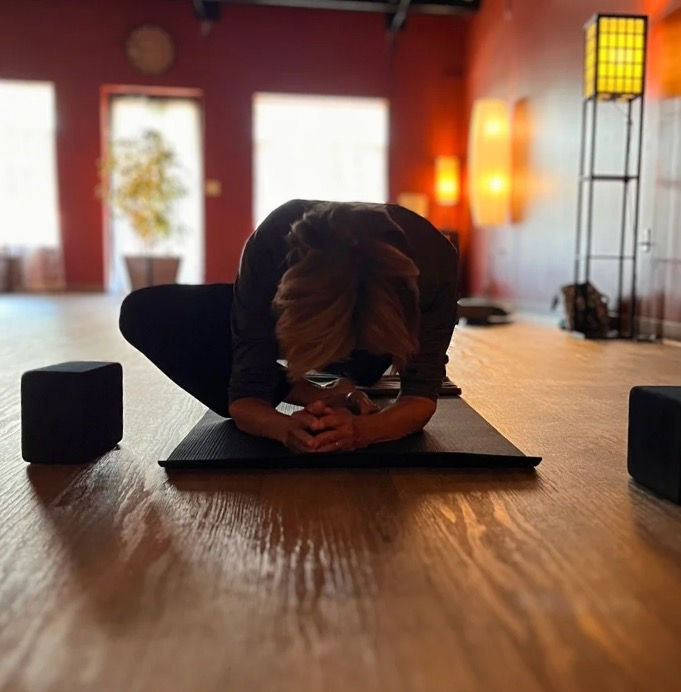
2. Child’s Pose:
- Kneel on the mat, sit back on your heels, and stretch your arms forward on the floor.
- Relax your forehead on the mat and breathe deeply.
- Hold for 1-3 minutes, feeling the gentle stretch in your back.
3. Seated Spinal Twist:
- Sit with legs crossed. Place your right foot outside your left thigh.
- Inhale, lengthen your spine, and exhale as you twist to the right, using your left elbow against your knee.
- Hold for several breaths, then switch sides.
4. Downward-Facing Dog:
- Start on all fours, tuck your toes, and lift your hips up and back.
- Keep your spine straight and heels reaching toward the floor.
- Hold for 1-2 minutes, pedaling your feet to stretch your calves and hamstrings.
5. Sphinx Pose:
- Lie on your stomach with elbows under shoulders, forearms on the floor.
- Press into your forearms to lift your chest, keeping your lower body relaxed.
- Hold for 1-3 minutes, focusing on opening your chest and stretching your back.
Tips for Safe Yoga Practice
- Consult a Professional: Before starting a yoga routine, especially if you have chronic back pain, consult with a healthcare provider or a qualified yoga instructor. They can provide personalized guidance and modifications.
- Listen to Your Body: Pay attention to how your body feels during each pose. If you experience pain, ease out of the pose and modify as needed. Yoga should never cause discomfort.
- Focus on Alignment: Proper form is crucial to prevent injury. Take your time transitioning between poses, ensuring your body is aligned correctly to avoid strain.
- Start Slowly: If you’re new to yoga, begin with shorter sessions (10-15 minutes) and gradually increase the duration as you become more comfortable.
- Incorporate Breathing Techniques: Use deep, rhythmic breathing to enhance relaxation and focus during your practice. This can help reduce stress and promote a sense of calm.
Conclusion
Yoga can be a powerful tool for managing back pain and enhancing overall well-being. By incorporating specific poses that promote strength, flexibility, and relaxation, you can create a supportive practice that addresses your back health. Remember to approach your practice mindfully, listen to your body, and consult professionals as needed. With dedication and care, yoga can lead you on a path to relief and improved quality of life.
Namaste,
Safe Harbor Yoga & Wellness


Comments